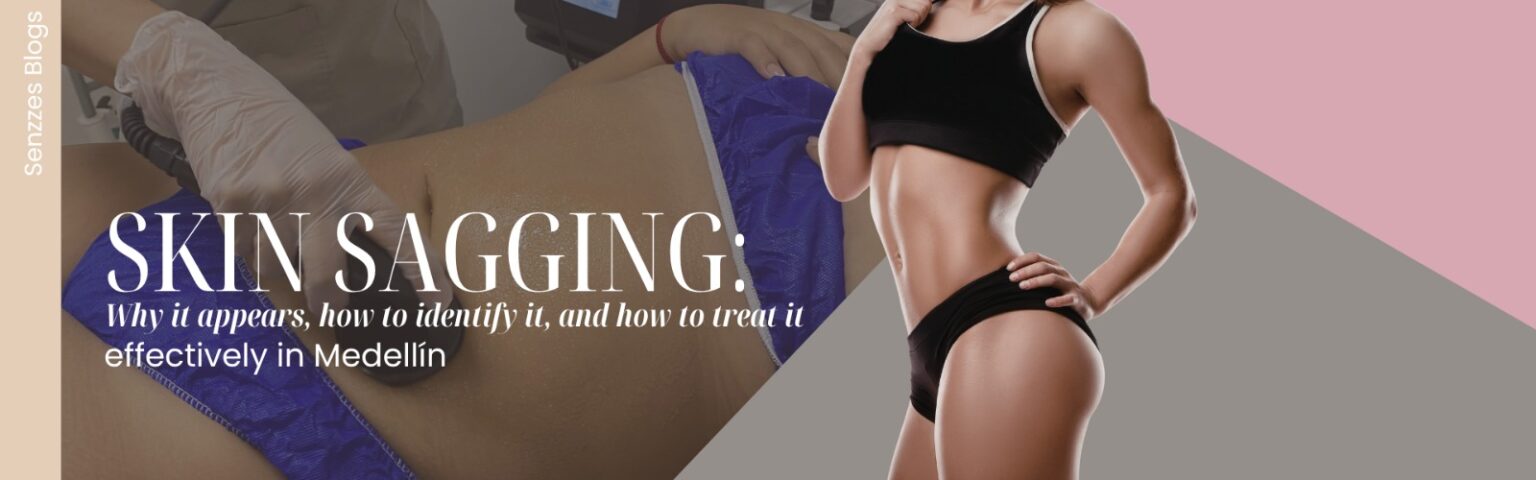
Skin Laxity: Why It Happens, How to Identify It, and How to Treat It Effectively in Medellín
One of the most common concerns we hear at aesthetic clinics in Medellín is this:
“My skin feels looser… but I don’t know why.”
Skin laxity is not caused by aging alone. Many people begin noticing it in their 30s—or even earlier—especially after weight changes, pregnancy, or periods of high stress.
The good news is that today there are non-surgical treatments that can help improve skin laxity effectively.
But there’s one important thing to understand: not all skin laxity is the same, and not every treatment works for every case.
At Senzzes, we understand that every patient’s skin has a different story. That’s why, before recommending any procedure, the most important step is identifying the type of laxity you have, what’s causing it, and which approach makes the most sense for your case.
Senzzes is a health and wellness IPS in Medellín specializing in facial, body, and anti-aging treatments, with a strong focus on international protocols, patient safety, and personalized care.
What Is Skin Laxity?
Skin laxity refers to the loss of firmness, tension, and structural support in the skin or underlying tissues. It often appears as skin that looks looser, less defined, or less capable of “holding” itself the way it used to.
Types of Skin Laxity: Not All Cases Are the Same
One of the most common mistakes is assuming there’s one universal treatment for all types of skin laxity. In reality, the first step is identifying the specific type.
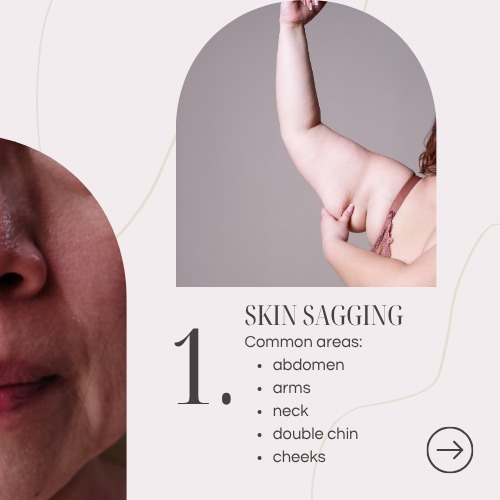
Cutaneous Skin Laxity
This primarily affects the skin itself. The skin appears thinner, less firm, and less able to retract properly.
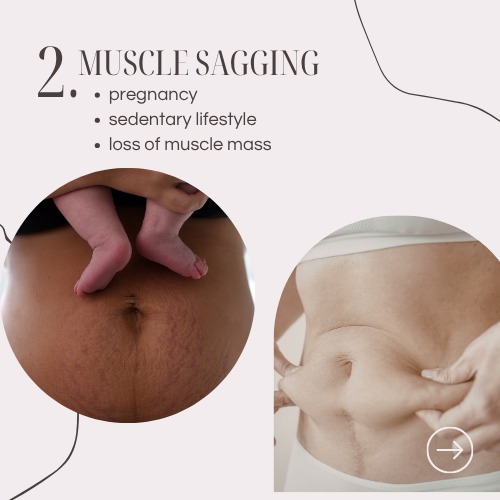
Muscular Laxity
This involves a loss of support in deeper tissue structures and muscle tone.
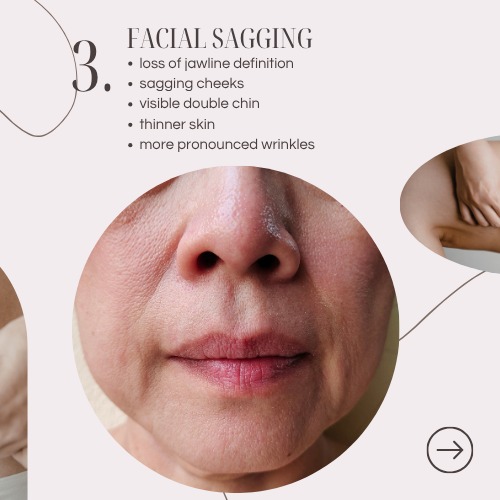
Facial Skin Laxity
Often perceived as a face that looks more tired, heavier, or less defined.
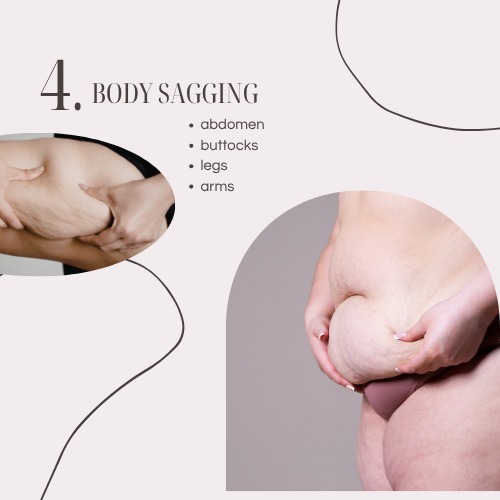
Body Skin Laxity
Commonly appears after pregnancy or significant weight fluctuations.
Why Does Skin Laxity Happen?
Skin laxity is usually caused by multiple factors, including:
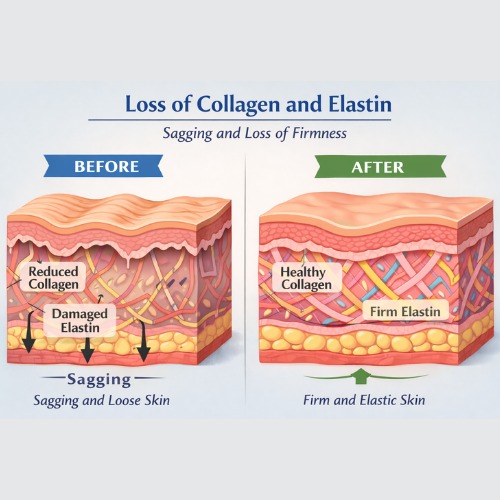
Collagen Loss: Starting around age 25, the body naturally begins producing less collagen. Weight Fluctuations: Repeated weight gain and loss affects skin elasticity. Pregnancy and Postpartum Changes: Especially in the abdominal area, where the skin stretches significantly. Sun Exposure: UV radiation accelerates collagen breakdown and premature aging. Sedentary Lifestyle: Lack of muscle mass reduces body firmness and support.
Other Contributing Factors:
Genetics
Smoking
Stress
Poor nutrition
Hormonal changes
How Do You Know If You Actually Have Skin Laxity?
Not everything that looks like skin laxity actually is. In many cases, the issue may instead be:
Localized fat
Cellulite
Fluid retention
Facial volume loss
This distinction is extremely important because the wrong treatment often leads to frustration and disappointing results.
For example:
If localized fat is the main issue → tightening alone will not solve it
If cellulite is predominant → texture treatments are needed
If facial volume loss is the concern → collagen stimulation alone may not be enough
👉 That’s why a professional medical evaluation is essential before starting any treatment.
When Should Skin Laxity Be Treated?
Treatment is recommended when you begin noticing:
Looser skin
Reduced firmness
Loss of elasticity
Changes in skin texture
Early intervention usually leads to significantly better outcomes.
When Skin Laxity Cannot Be Corrected with Aesthetic Treatments Alone
There are cases where the solution is not purely aesthetic, including:
Significant excess skin
Massive weight loss
Severe skin laxity
Very damaged or extremely thin skin
In these situations, an honest medical evaluation is essential to determine realistic treatment options.
Non-Surgical Treatments for Skin Laxity in Medellín
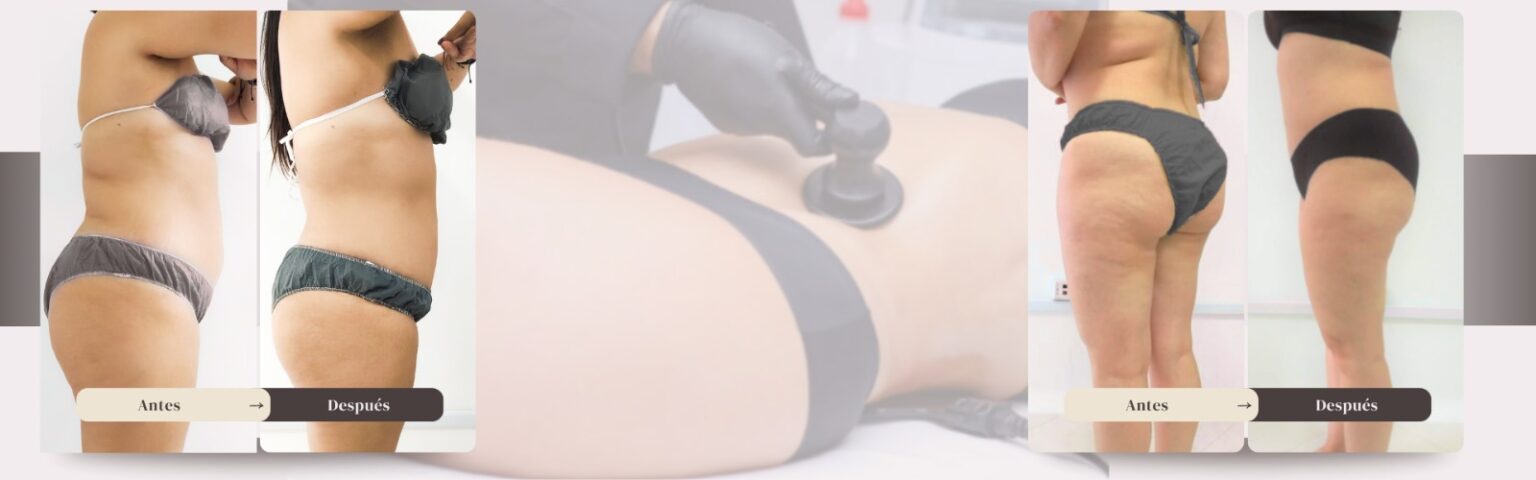
The goal in aesthetic medicine is to stimulate collagen production, improve skin quality, and gradually restore firmness.
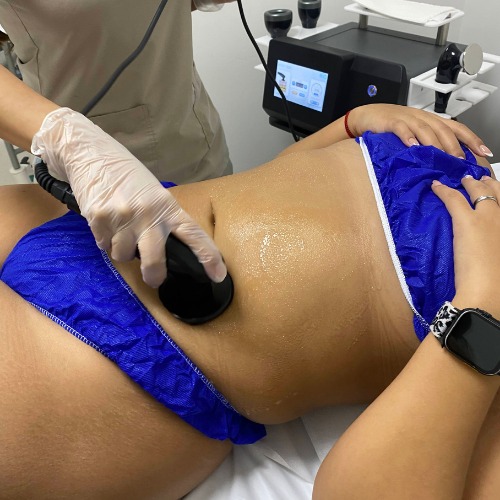
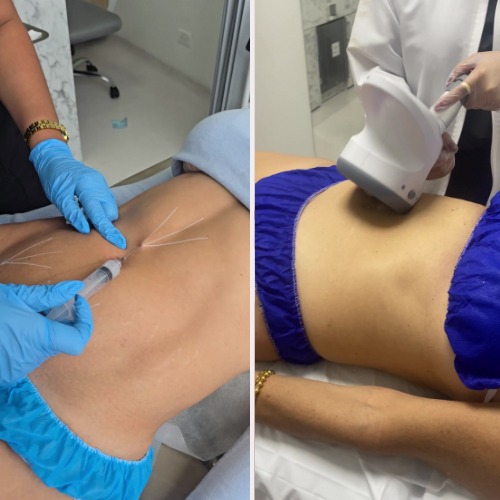
Radiofrequency Skin Tightening
Radiofrequency uses controlled heat to stimulate collagen production and improve skin firmness.
Ideal treatment areas include: abdomen, arms and legs.
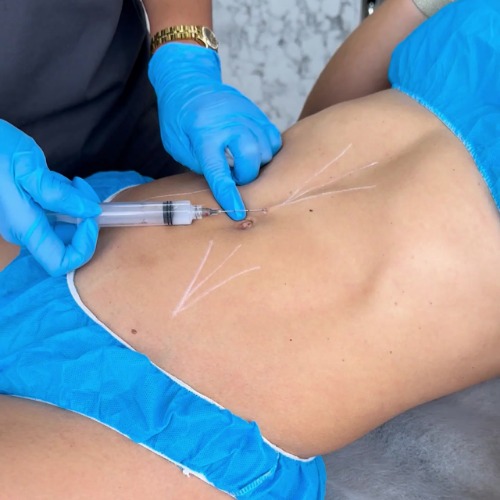
Collagen Biostimulation
Collagen biostimulation activates the body’s natural regenerative processes to improve skin laxity progressively and naturally.
Common treatment areas include: face, neck, abdomen, glutes and thighs.
Combination Treatment Protocols
For many patients, the best results come from combining treatments such as: collagen stimulation, skin quality improvement, localized fat management, muscle strengthening.
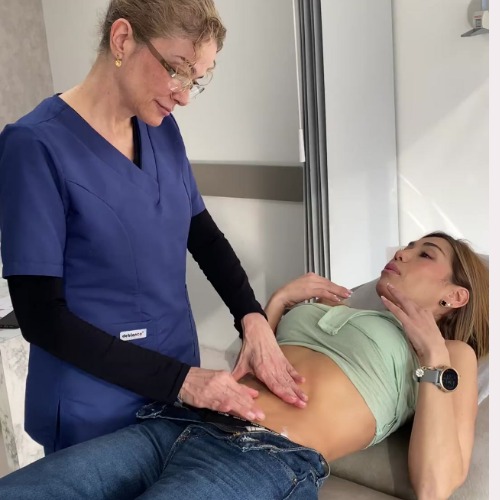
Abdominal Skin Laxity: One of the Most Common Concerns
Especially after:
Pregnancy
Weight loss
Hormonal changes
The abdominal area may develop:
Loose skin
Muscle weakness
Localized fat
Abdominal separation (diastasis recti)
👉 This is why the right treatment always depends on an accurate diagnosis.
Habits That Help Prevent—or Worsen—Skin Laxity
Helpful Habits
Habits That Worsen Skin Laxity
Protein-rich nutrition
Rapid weight fluctuations
Proper hydration
Excessive sun exposure
Strength training
Smoking
Daily sunscreen use
Sedentary lifestyle
Maintaining a stable weight
Extreme dieting
What Is the Best Treatment for Skin Laxity?
There is no single “best” treatment.
The ideal approach depends on:
Type of skin laxity
Treatment area (face or body)
Severity (mild, moderate, or advanced)
Presence of localized fat or volume loss
Patient expectations
When Should You Schedule a Consultation?
You should consider a professional evaluation if you notice:
Skin that feels looser than usual
Loss of facial definition
Reduced abdominal firmness
Increased laxity in the arms or legs
Changes that do not improve with healthy habits
The earlier treatment begins, the better the potential results.
Why Choose Senzzes for Skin Laxity Treatments?
At Senzzes, the goal is not simply to perform a standard procedure, but to understand your case and design a personalized treatment strategy.
What makes the difference:
Individual medical evaluations
Protocols based on international standards
Focus on natural-looking results
Advanced collagen biostimulation technologies
Combination treatments tailored to your diagnosis
Strong emphasis on patient safety and wellness
In addition, Senzzes is a certified health and wellness IPS in Medellín, ensuring professional, ethical, and patient-centered care.
The number of sessions depends on the treatment type and degree of skin laxity. Some patients notice gradual improvement within weeks, while collagen stimulation continues developing over several months.
Mild to moderate skin laxity can often be significantly improved with non-surgical treatments. Severe cases may require additional medical or surgical evaluation.